A Look at the PuroAir 240: Does It Live Up to the Hype?
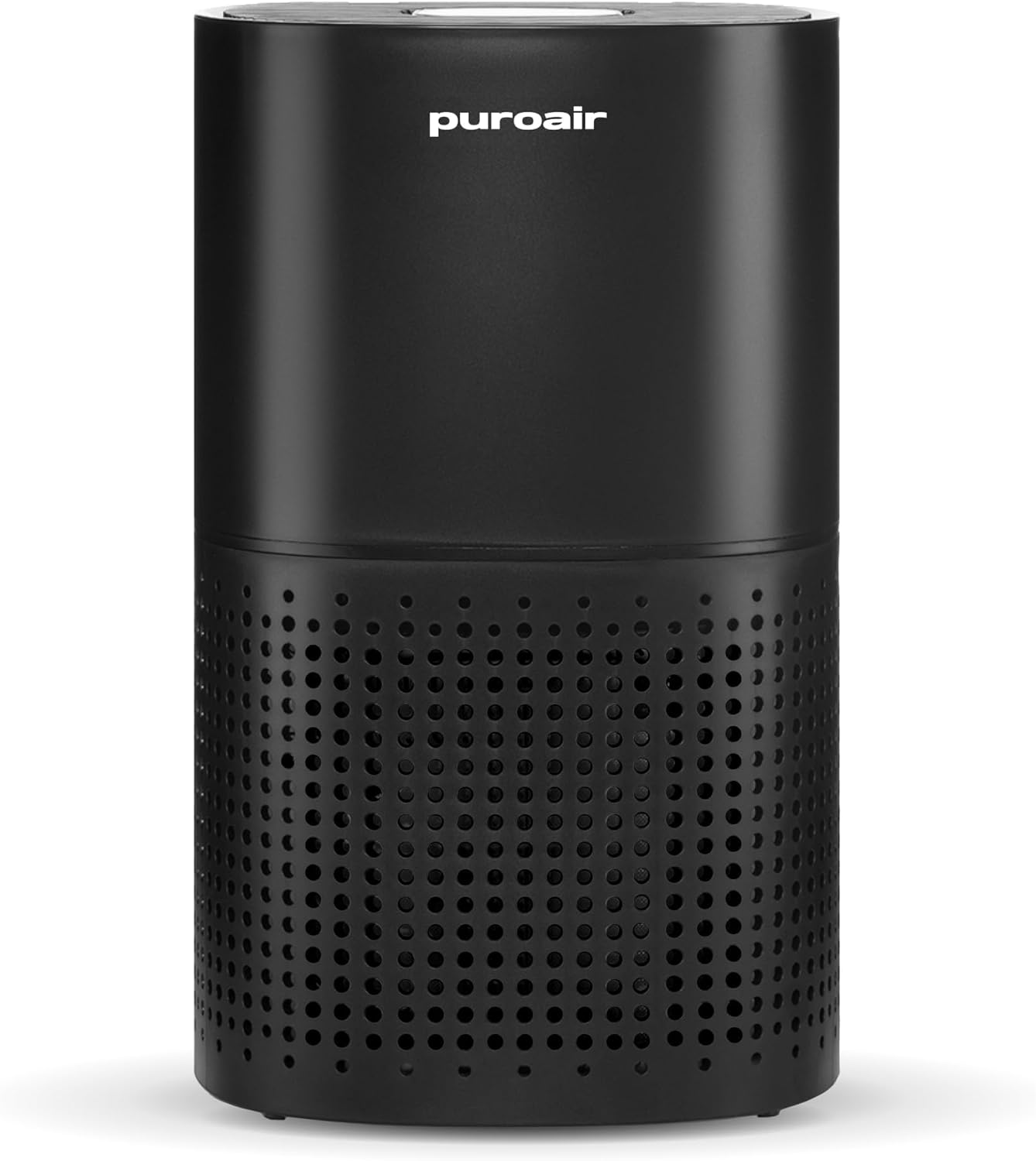
The PuroAir 240 offers solid certification-backed performance for large spaces, though it relies heavily on automated sensor reliance that may not suit every user's preference.
Check price on AmazonWhat we liked
- Certified by multiple safety and standards organizations including CARB, ETL, and UL
- Covers large areas up to 1,000 square feet within an hour
- Includes a 3-layer filtration system featuring a HEPA filter and activated carbon
- Integrated smart particle sensor adjusts fan speeds automatically
- Backed by a 2-year warranty
What we didn't
- Relies on automated sensors which can sometimes be less precise than manual controls
- Large footprint may be difficult to place in smaller bedrooms
- Replacement filter costs are a long-term factor not always highlighted
- Performance claims are based on specific lab conditions that may differ from real-world home layouts
How it performs on paper
The PuroAir 240 is positioned as a heavy-duty solution for larger residential spaces. According to the manufacturer, the unit is capable of cleaning up to 1,000 square feet in a single hour. It utilizes a standard three-stage filtration process: a pre-filter for larger debris, a HEPA filter for fine particulates, and an activated carbon layer for odors and VOCs. From a regulatory perspective, it stands out by maintaining certifications from CARB, ETL, ISO, and UL, which provides a level of assurance regarding its safety and build standards that some budget-tier competitors lack.
What the data says about usability
The core of this device's appeal is its 'set it and forget it' functionality. The inclusion of a built-in particle sensor allows the unit to modulate its fan speed based on detected air quality. For those who prefer minimal interaction, this is a significant convenience. Additionally, the manufacturer includes a sleep mode designed for quieter operation, which is a necessary feature given the unit's high-capacity motor. With over 18,000 ratings on Amazon and a 4.6-star average, the general consensus suggests that users find the automated features effective for maintaining air quality in bedrooms and living areas.
The catch
While the specs are impressive, prospective buyers should be aware that automated air purifiers are only as good as their sensors. If the sensor is obstructed or placed in a 'dead zone' where air doesn't circulate well, the unit may stay in a low-power mode even when the rest of the room requires more aggressive filtration. Furthermore, while the 2-year warranty is a strong selling point, the long-term cost of ownership will depend entirely on the frequency of filter replacements, which is a standard but often overlooked requirement for high-output HEPA units.