No paid placements, no manufacturer freebies โ just honest picks based on the specs and what thousands of real owners report.
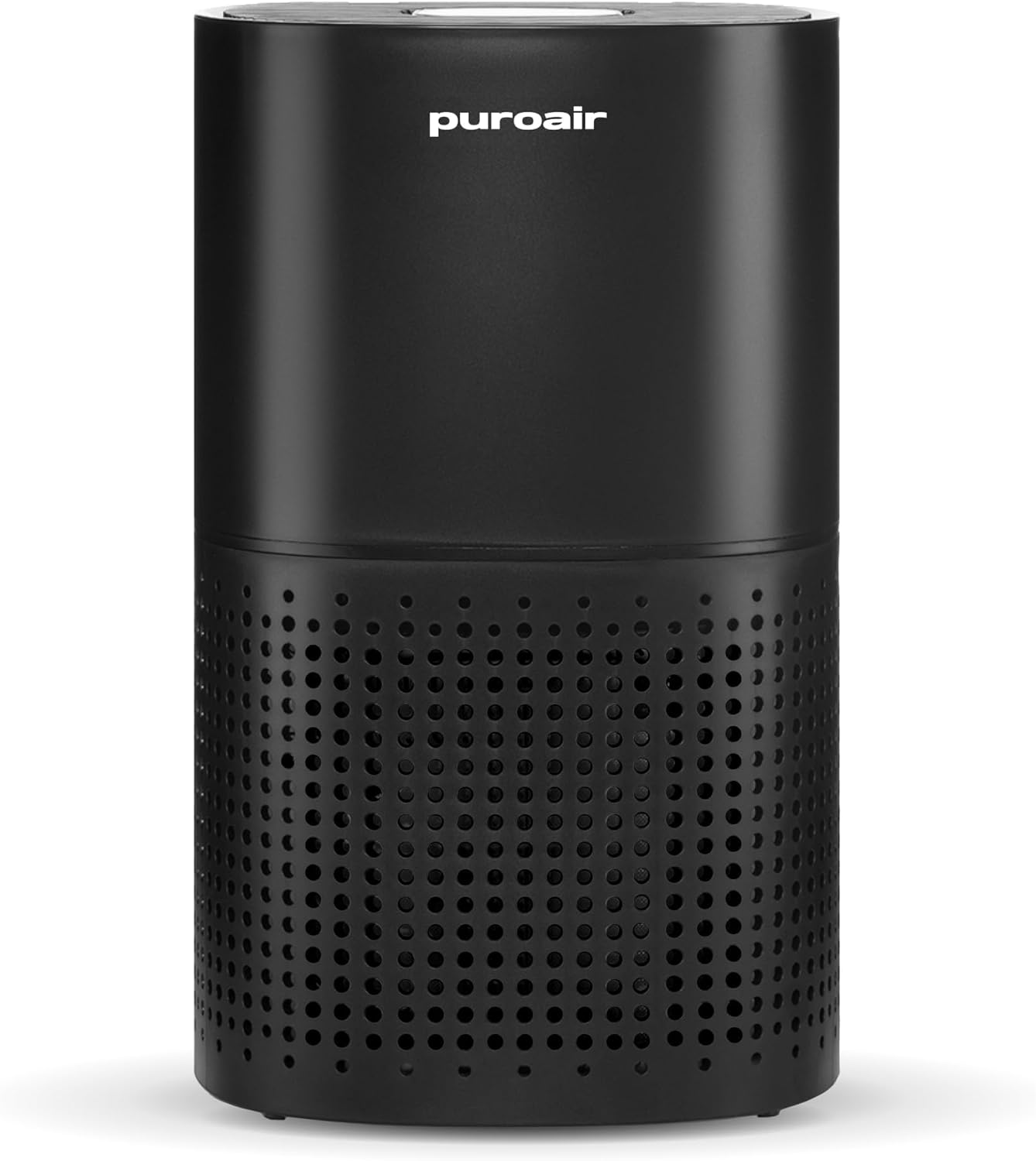
The PuroAir 240 offers solid certified filtration specs for large spaces, though its reliance on a proprietary sensor system for automation may be a point of friction for some users.
Honest, research-led verdicts โ the good, the catch, and exactly who each one is for.
No freebies, no sponsored rankings, no ten-minute spec skim. Every review follows the same honest process.
Specs, certifications, filter type and real running costs โ straight from the source.
Hundreds of verified buyer reviews โ what holds up after months, and what doesn't.
Performance, noise, coverage and value โ the things you'll actually notice at home.
Every product has one. We tell you exactly what it is before you spend a penny.
A small, slightly obsessive crew who'd rather read a spec sheet than a press release.
Lives in spec sheets and owner reviews so you don't have to. Allergy sufferer, reluctant plant hoarder.
Cross-checks every claim against independent lab data and what buyers actually report after months of use.
Follows the air-purifier market obsessively โ new models, filter costs, and which hype to quietly ignore.
A true-HEPA purifier captures the fine particles behind most allergy symptoms โ pollen, dust-mite debris and pet dander โ as long as it's sized for the room and run consistently. It won't fix everything, but allergy sufferers are among the most positive owners.
Both are 'true HEPA'. HEPA 13 captures โฅ99.95% of fine particles; HEPA 14 captures โฅ99.995% โ a small step up that matters most for sensitive households. For everyday use, a well-sized HEPA 13 unit is plenty.
Most makers quote every 6โ12 months, but it depends on use and air quality. This is the real running cost of any purifier, so we always flag whether a model takes cheap standard filters or pricey proprietary ones.
Only with an activated-carbon layer โ HEPA alone handles particles, not odours. If pets, cooking or smoke are your concern, look for a carbon stage, which most of our picks include.
Match the unit's rated coverage to your room, and size up if you want faster results or plan to run it on low. The headline coverage figure is usually a best-case lab number, so each review notes the realistic everyday room size.